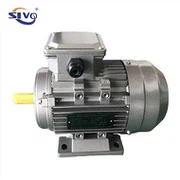
Possible Troubleshooting of Single-Phase Motor Grounding Process
Apr 10, 2023
Single-phase motors are widely used in various industries due to their efficiency, compact size, and easy maintenance. However, one of the most challenging aspects of installing and operating a single-phase motor is the grounding process. Grounding is important to prevent electrical shocks, fire hazards, and malfunctions of the motor and related equipment. In this article, we will explore some of the possible troubleshooting for grounding process of single-phase motors in company products.
Insufficient Ground Resistance
The first and foremost issue that we may encounter during the grounding process of a single-phase motor is insufficient ground resistance. Ground resistance is the measurement of how well the grounding system can dissipate an electrical current into the earth. The National Electrical Code (NEC) requires a ground resistance of 25 ohms or less for single-phase motor installations. If the ground resistance is too high, it could cause the motor to malfunction or trip the circuit breaker.
To troubleshoot this issue, we need to check the grounding system's components, such as the grounding conductor, grounding rod, and grounding clamp. We need to ensure that all connections are tight and clean, and there are no loose wires or broken components. We may also need to add additional grounding rods or improve the grounding conductor's size or material to achieve the required ground resistance.
Ground Fault Current
Another potential problem we may encounter during the single-phase motor grounding process is ground fault current. Ground fault current occurs when an electrical current flows from an abnormal ground path, such as a damaged power cord or insulation, through the machinery's metal frame, and then into the grounding system. This event can cause severe electrical shock or fires.
To troubleshoot ground fault current, we need to test the motor's insulation resistance to determine if there are any short circuits or exposed wiring. We also need to ensure that the motor's frame is properly bonded to the grounding system and that the grounding conductor's path is continuous and unbroken. We can use specialized devices such as ground fault circuit interrupters (GFCI) or arc fault circuit interrupters (AFCI) to detect and prevent ground fault current.
Voltage Imbalance
Voltage imbalance is another factor that can affect the performance and lifespan of a single-phase motor. Voltage imbalance occurs when the voltage across the motor's windings is not equal. This issue can cause excessive motor heating, reduced torque or speed, and higher energy consumption.
To troubleshoot voltage imbalance, we need to measure the voltage across each winding with a multimeter or a specialized tester. If the voltage difference is significant, we need to check the power supply's wiring and connections for loose connections, damaged insulation or poor voltage regulation. We may need to adjust the power source or use voltage regulators or transformers to achieve balanced voltage output.
Grounding single-phase motors is a critical process that requires careful planning, installation, and testing to ensure reliable and safe operation. SIVO Electric Motor is a professional manufacturer of electric motors in China, with professional technical personnel and related equipment. By understanding the troubleshooting that may occur during the grounding process of single-phase motors, we can identify and solve common problems, improve motor performance and durability. For complex or dangerous installations and repairs, it is recommended to consult a licensed electrician or engineer. If you have any questions about single-phase motors, please contact us. Our products are abundant.