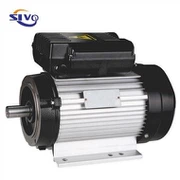
Principles of AC Asynchronous Motors
Apr 17, 2023
Principle of the motor: The principle of the motor is very simple, which is a device that uses electric energy to generate rotating magnetic field on the coil and drive the rotor to rotate. Those who have studied the law of electromagnetic induction know that an energized coil rotates under force in a magnetic field, and this is the basic principle of an electric motor.
Motor structure: As anyone who has disassembled the motor knows, the motor mainly consists of two parts: the fixed stator part and the rotating rotor part, as follows:
1. Stator (stationary part)
Stator core: an important part of the motor magnetic circuit, on which the stator winding is placed;
Stator winding: it is the coil, the circuit part of the motor, which is connected to the power supply to generate rotating magnetic field;
Machine base: Fix the stator core and motor end cover, and play a protective and heat dissipation role;
2. Rotor (rotating part)
Rotor iron core: an important part of the motor magnetic circuit, where the rotor winding is placed in the iron core slot;
Rotor winding: cut the stator rotating magnetic field to generate induced electromotive force and current, and form electromagnetic torque to rotate the motor;
Other components of the motor:
1) Fan: generally installed at the rear of the motor to provide heat dissipation for the motor;
2) Junction box: used for connecting to power sources, such as AC three-phase asynchronous motors, and can also be connected to star or triangle as needed;
3) Bearings: connect the rotating and stationary parts of the motor;
4. End cover: The front and rear covers on the outside of the motor serve as a support.
SIVO Electric Motor is a high-tech enterprise focusing on motor R&D, manufacturing and sales.Our main products are single three-phase asynchronous motor series, aluminum-shell single three-phase asynchronous motor series, fan special motor series, frequency conversion motor series, permanent magnet DC motor series, etc.